

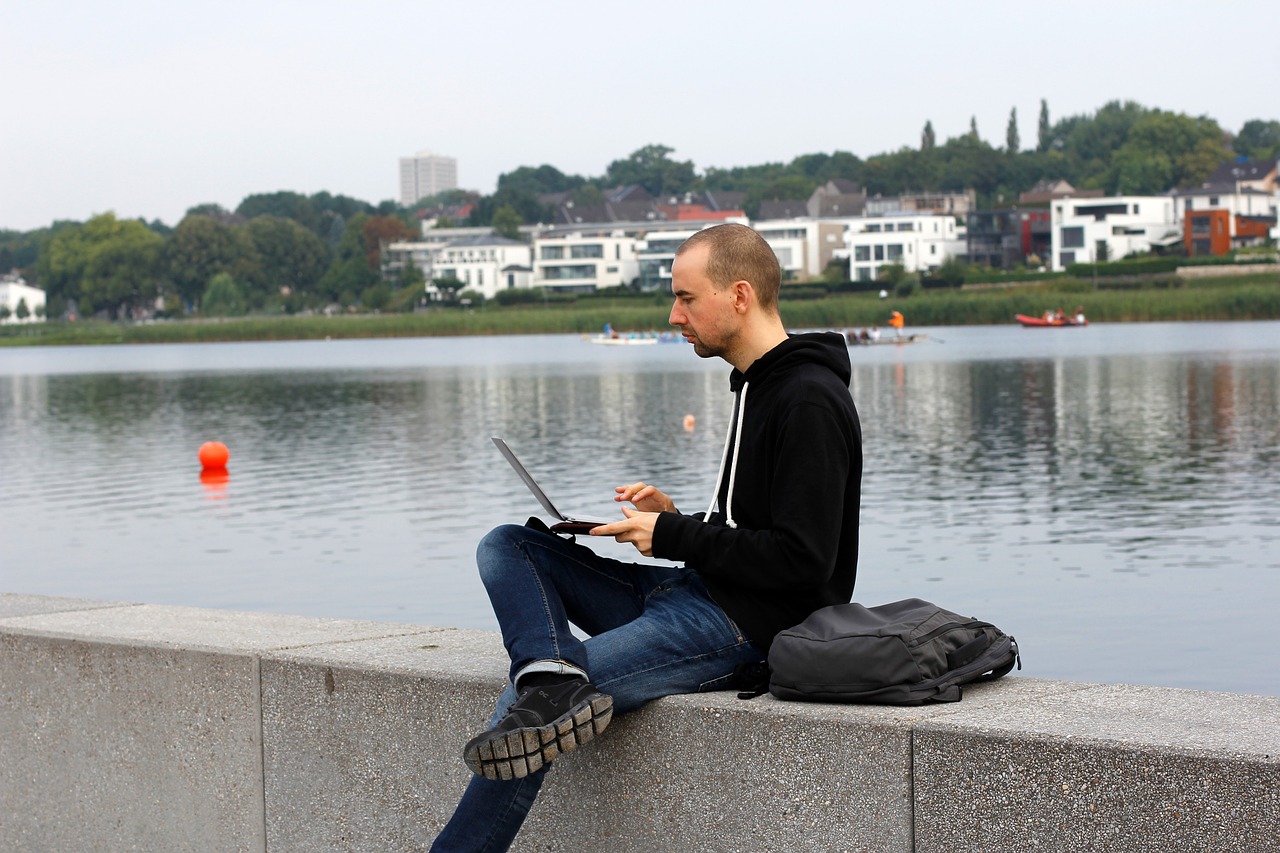
A few years ago, the idea of working while traveling the world sounded like a fantasy reserved for freelancers, travel influencers, or entrepreneurs. Today, it has become a rapidly growing lifestyle embraced by thousands of professionals around the globe. The rise of remote work has made it possible for people to answer emails from a café in Lisbon, join meetings from a beach town in Bali, or finish projects while overlooking mountains in Medellín.
This new lifestyle is known as Digital Nomadism, and it is redefining what it means to travel and work in the modern world. For many people, the dream is no longer choosing between a career and exploring the world it’s learning how to do both.
If you’ve ever wondered whether you can keep your job while traveling or how people actually make the digital nomad lifestyle work, this guide will walk you through everything you need to know.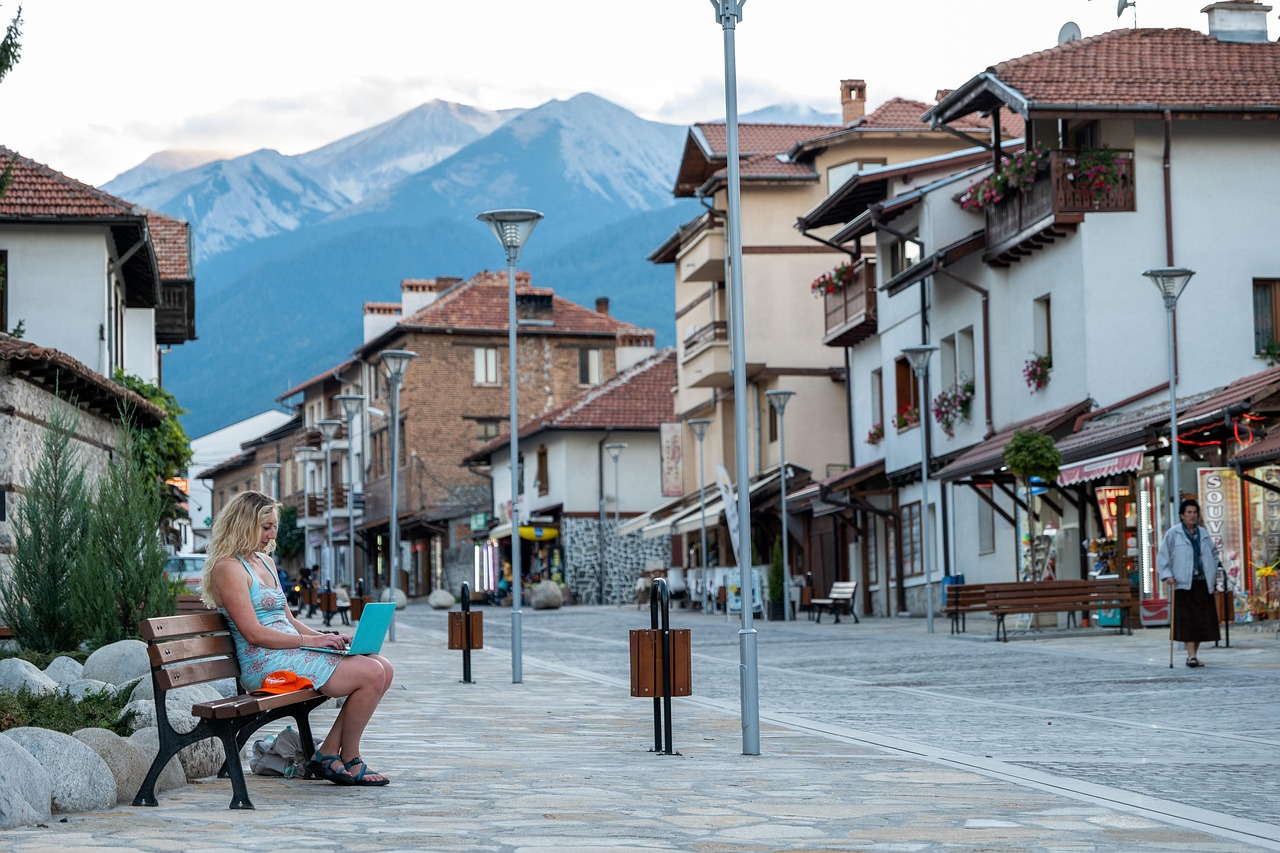
What Is a Digital Nomad?
A digital nomad is someone who uses technology to work remotely while living or traveling in different locations. Instead of being tied to a traditional office, digital nomads rely on laptops, cloud tools, and stable internet connections to perform their jobs.
Digital nomads often work in industries such as:
- Software development
- Content writing or blogging
- Digital marketing
- Graphic design
- Online teaching
- Consulting
- Data analysis
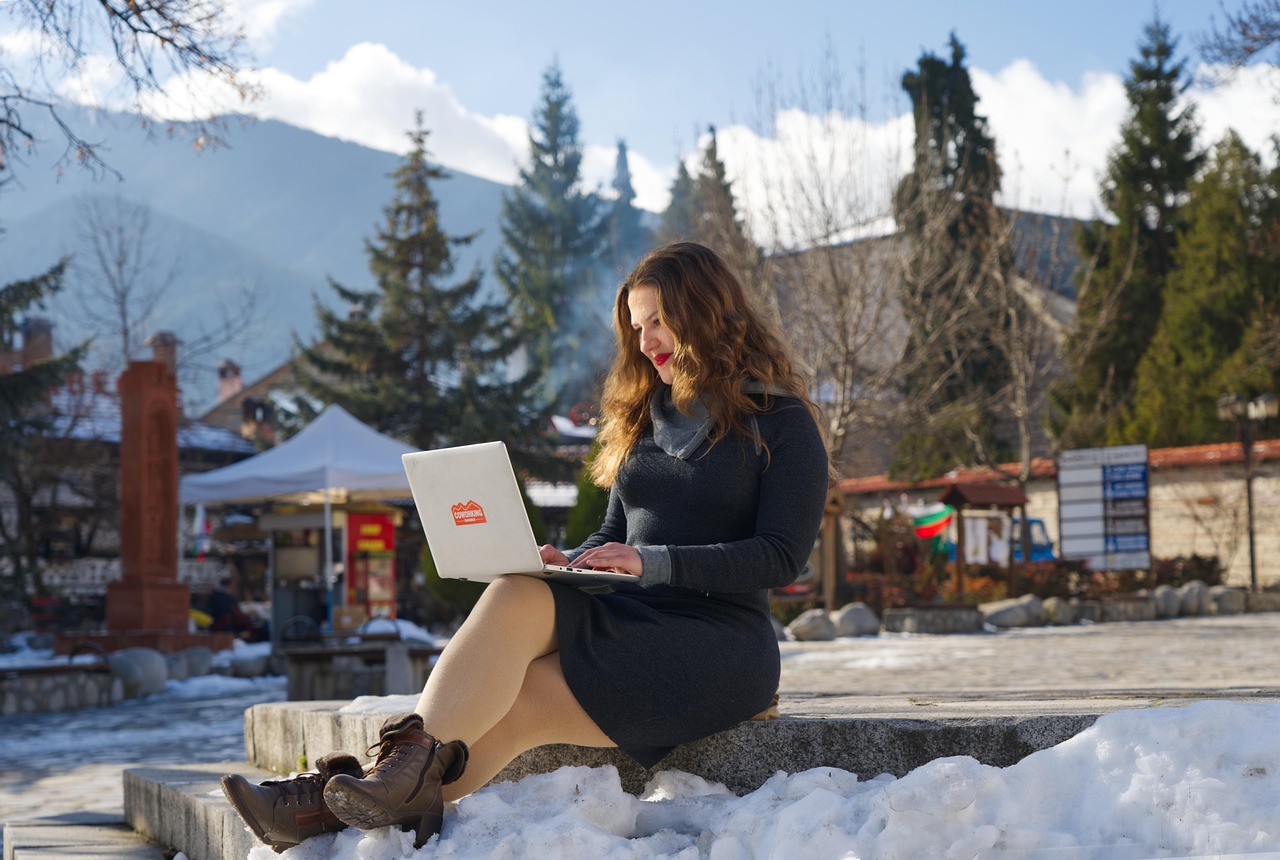
Because their work can be done online, they have the freedom to move from city to city or country to country while maintaining their careers. For many professionals, this lifestyle represents a powerful combination of freedom, adventure, and flexibility.
Why the Digital Nomad Lifestyle Is Growing
The global shift toward remote work accelerated after the COVID-19 Pandemic, when many companies discovered that employees could work productively from home—or anywhere with an internet connection.
As a result, companies began offering flexible work arrangements, and workers realized they were no longer limited to living near an office.
Several factors have contributed to the rise of digital nomad travel:
1. Remote Work Opportunities
More companies now hire remote employees across different countries, making it easier for professionals to work from anywhere.
2. Affordable Global Travel
Budget airlines and travel platforms have made international travel more accessible than ever before.
3. Digital Collaboration Tools
Platforms like Zoom, Slack, and Google Workspace allow teams to communicate and collaborate seamlessly regardless of location.
4. Digital Nomad Visas
Many countries have introduced special visas designed specifically for remote workers who want to stay longer than typical tourist visits.
These changes have opened the door for professionals to experience the world in ways that were nearly impossible just a decade ago.
Popular Cities for Digital Nomads
While digital nomads can technically work from anywhere, some destinations have become global hubs for remote workers due to their affordability, lifestyle, and strong internet infrastructure.
Here are a few cities that continue to attract digital nomads.
Lisbon, Portugal
Lisbon has quickly become one of the most popular digital nomad cities in Europe. With its sunny weather, vibrant culture, and strong café culture, the city offers a comfortable balance between work and lifestyle. 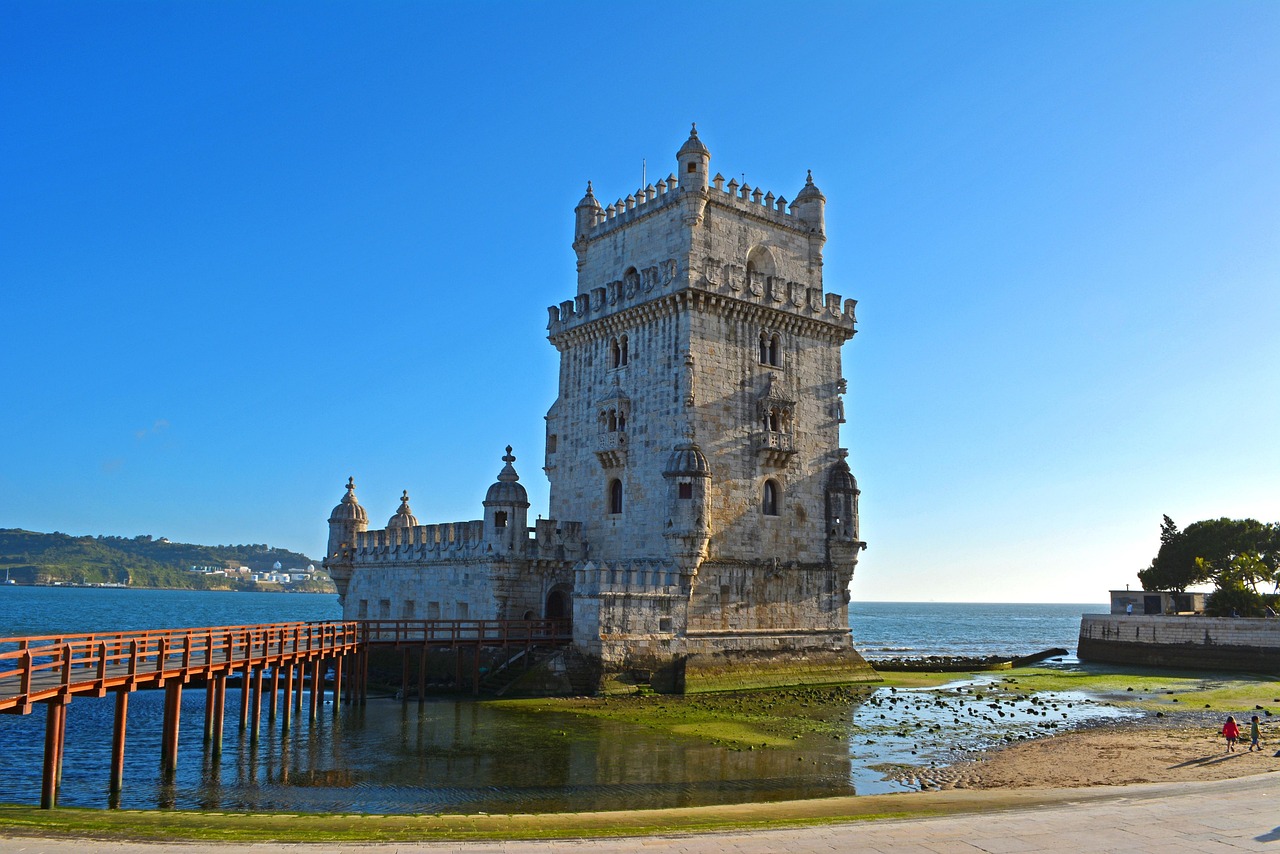
Digital nomads are drawn to Lisbon for:
- Reliable internet
- Co-working spaces
- A welcoming international community
- Scenic neighborhoods overlooking the Atlantic Ocean
Bali, Indonesia
The island of Bali has long been a favorite among remote workers. Areas like Canggu are filled with co-working spaces, wellness retreats, and cafés designed specifically for digital nomads.
The combination of tropical beaches, affordable living, and a strong remote-work community makes Bali a dream destination for many travelers.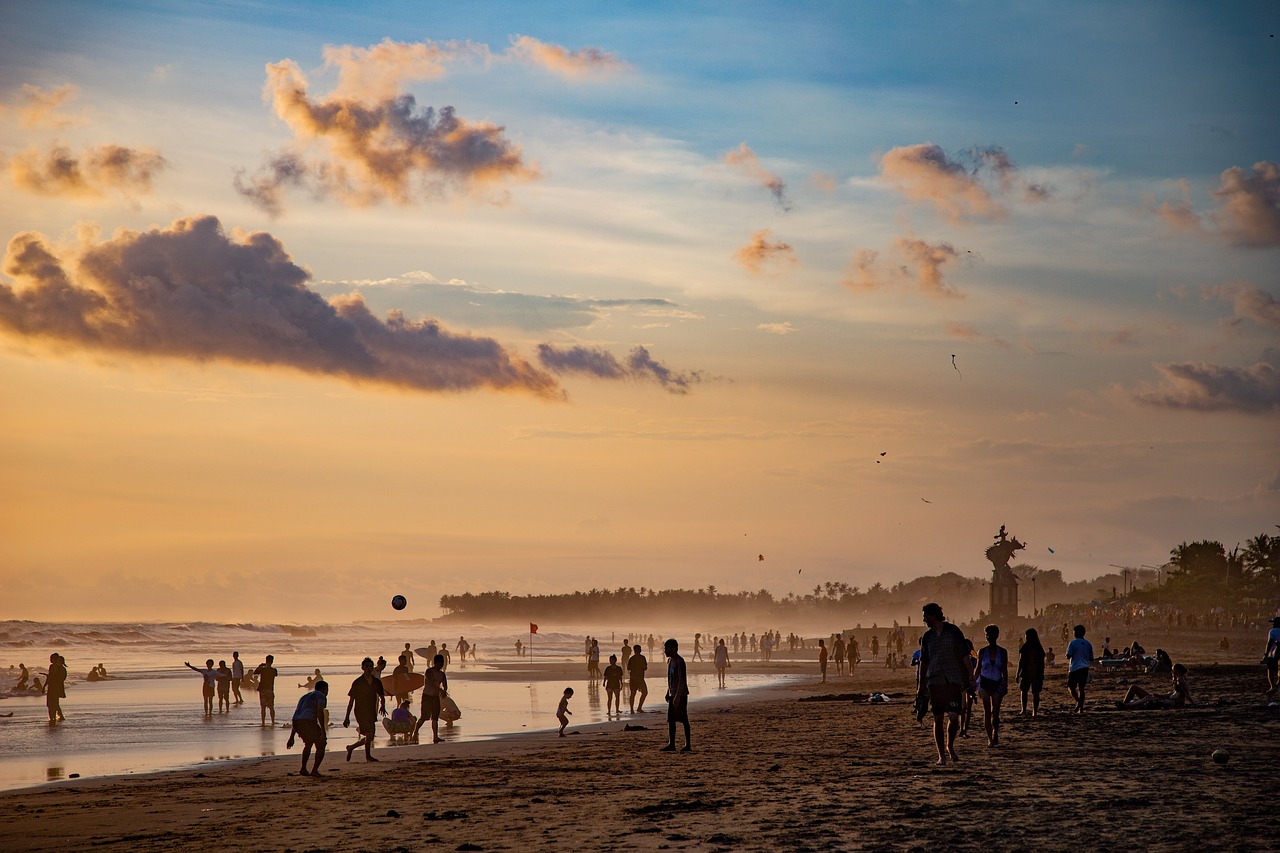
Medellín, Colombia
Known for its pleasant climate and innovative urban development, Medellín has emerged as one of South America’s top digital nomad destinations.
Remote workers enjoy:
- Affordable apartments
- Fast internet infrastructure
- Vibrant cultural life
- Stunning mountain scenery
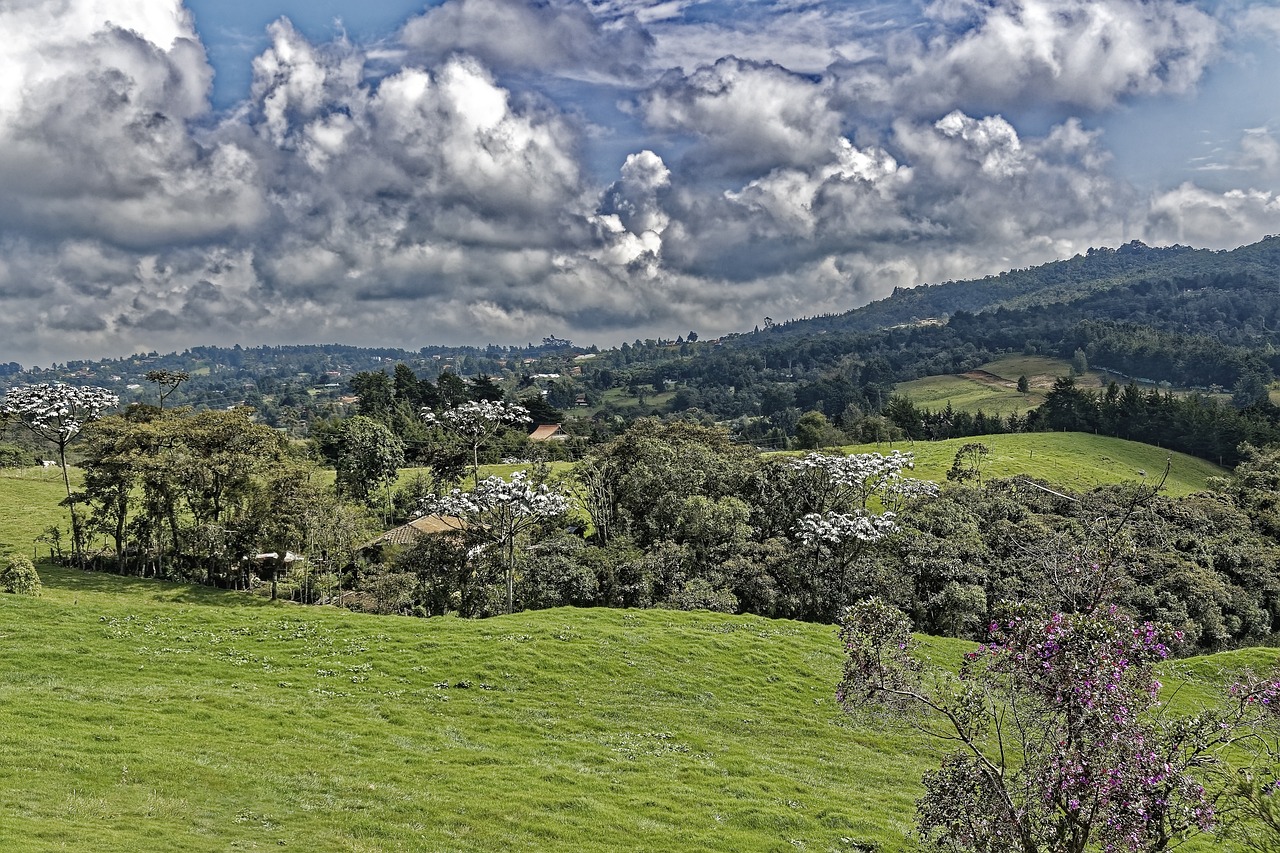
The city’s transformation over the past decade has made it a hub for entrepreneurs and remote professionals alike.
How to Start Your Digital Nomad Journey
The idea of working while traveling may sound exciting, but turning the dream into reality requires planning and preparation.
Here are a few essential steps to help you begin your digital nomad journey.
Secure Remote-Friendly Work
The first step is ensuring that your job can be performed remotely. Many digital nomads either work for remote companies or run their own online businesses.
If your current role isn’t remote yet, consider negotiating flexible arrangements with your employer or exploring freelance opportunities.
Choose Destinations Wisely
Not every destination is ideal for remote work. Before choosing a location, consider factors such as:
- Internet reliability
- Time zone compatibility with your job
- Cost of living
- Safety and healthcare access
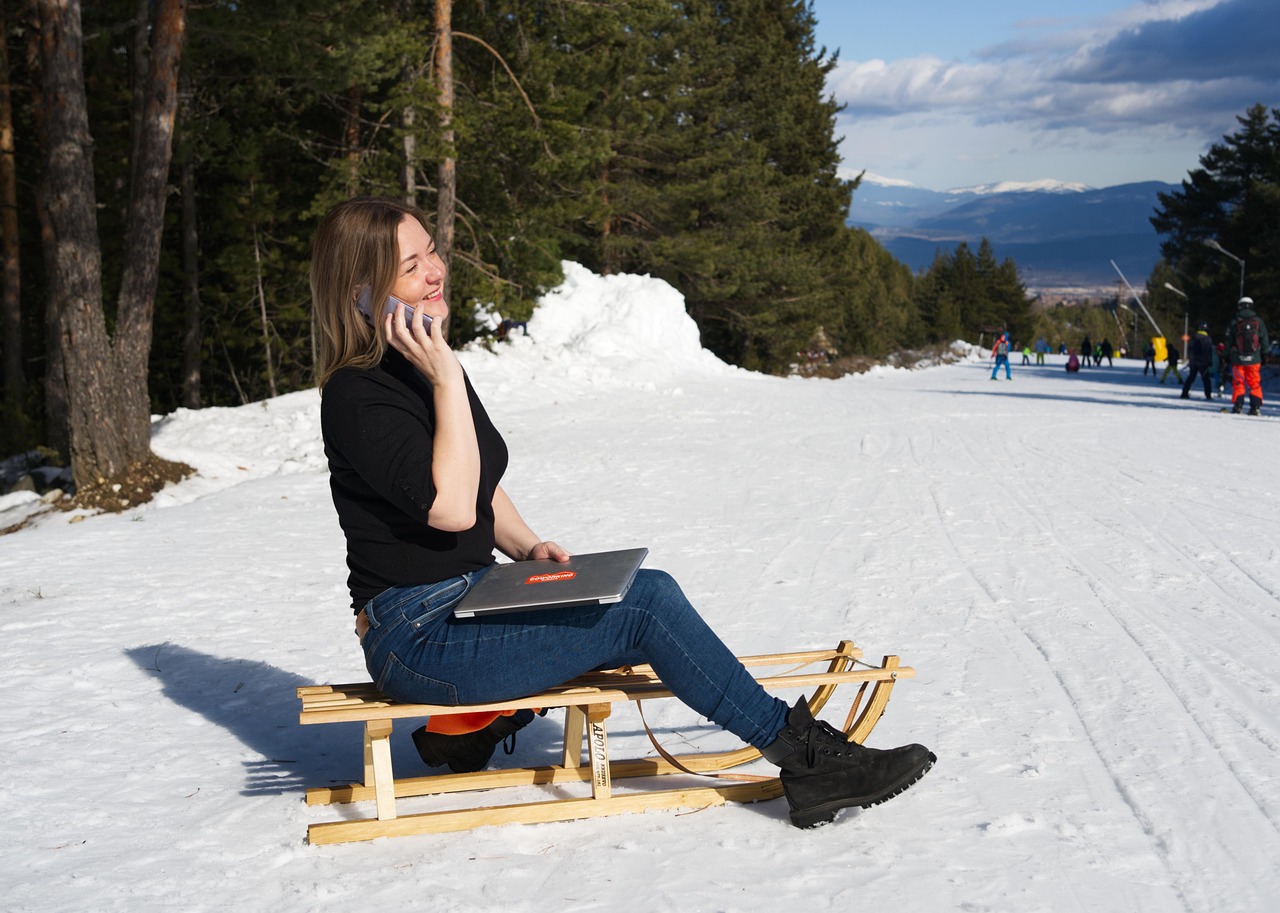
Some travelers start with short stays in cities known for supporting digital nomads before exploring more remote locations.
Manage Your Finances
Traveling full-time can be affordable if managed properly, but budgeting remains essential.
Digital nomads often track expenses such as:
- Accommodation
- Travel insurance
- Flights and transportation
- Coworking memberships
- Food and entertainment
Maintaining financial discipline ensures that the lifestyle remains sustainable over the long term.
The Benefits of Working While Traveling
For many professionals, the digital nomad lifestyle offers benefits that go far beyond beautiful views or Instagram photos.
Freedom and Flexibility
Digital nomads have the ability to choose where they live and work. One month might be spent in a coastal town, while the next could be in a historic European city.
Cultural Exposure
Living in different countries provides deeper cultural understanding than short vacations ever could.
Personal Growth
Travel challenges people to adapt, learn new skills, and embrace unfamiliar environments.
Over time, these experiences build confidence and broaden perspectives in ways traditional office life rarely does.
Challenges Digital Nomads Face
While the lifestyle has many advantages, it also comes with its own challenges.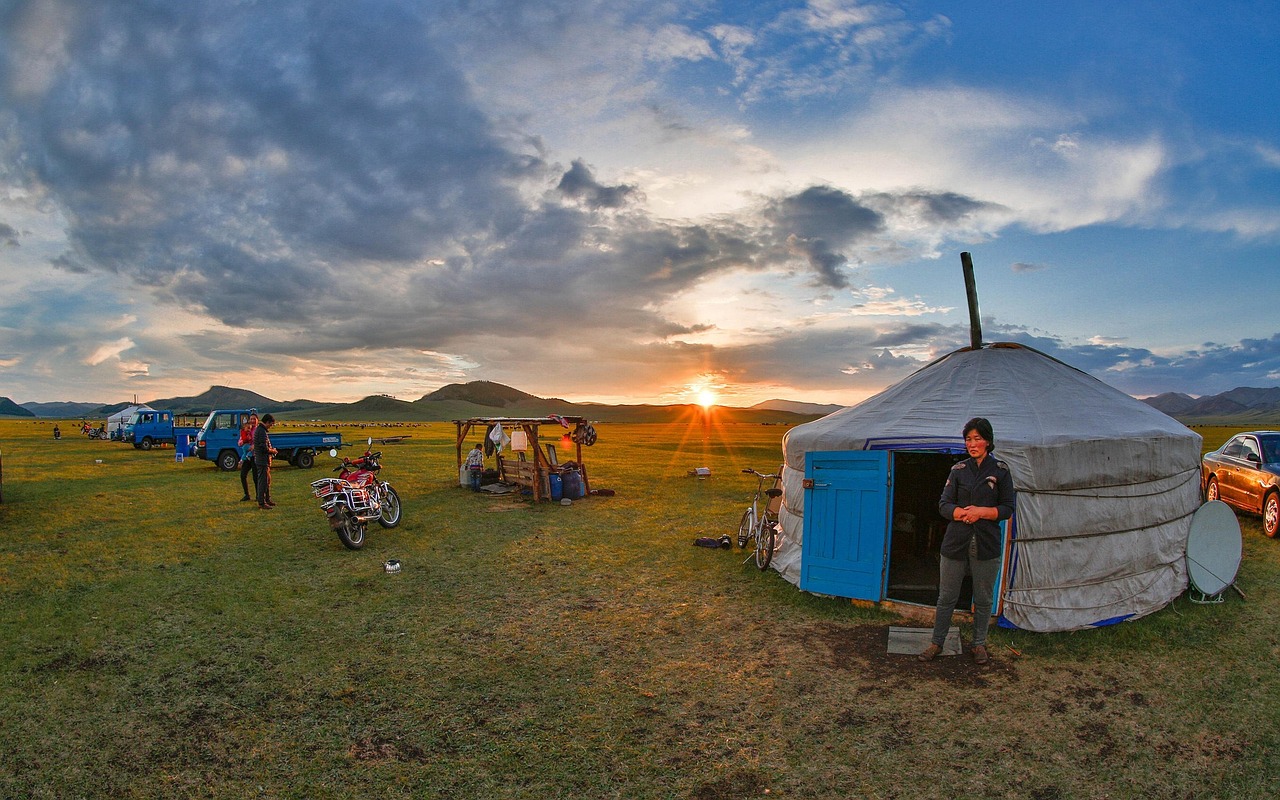
Time Zone Differences
Working with teams across continents can sometimes mean attending meetings at unusual hours.
Loneliness
Frequent travel can make it difficult to maintain long-term friendships or routines.
Work-Life Balance
When your office is wherever your laptop sits, it can be easy to blur the line between work and leisure.
Successful digital nomads often create routines, join coworking communities, and schedule time for rest to maintain balance.
The Future of Work-From-Anywhere Travel
Digital nomadism is no longer a fringe lifestyle, it is becoming a mainstream way of living and working.
Cities and governments around the world are adapting by offering new visa programs and building infrastructure specifically for remote workers.
Countries such as Portugal, Estonia, and Thailand have already launched initiatives aimed at attracting digital nomads, recognizing that remote workers contribute to local economies while bringing global talent into their communities.
As technology continues to improve and companies embrace remote collaboration, the opportunities for working while traveling will likely expand even further.
Conclusion:
Digital nomad travel represents a powerful shift in how we think about careers, freedom, and lifestyle. Instead of waiting for annual vacations, professionals now have the opportunity to integrate travel into their everyday lives.
Whether you dream of working beside tropical beaches, historic European streets, or vibrant cities in emerging destinations, the digital nomad lifestyle proves that exploring the world does not have to come at the expense of building a successful career.
In many ways, it may be the future of work itself.
The real question is no longer whether it’s possible to work from anywhere.
It’s whether you’re ready to take your office with you on the road.
